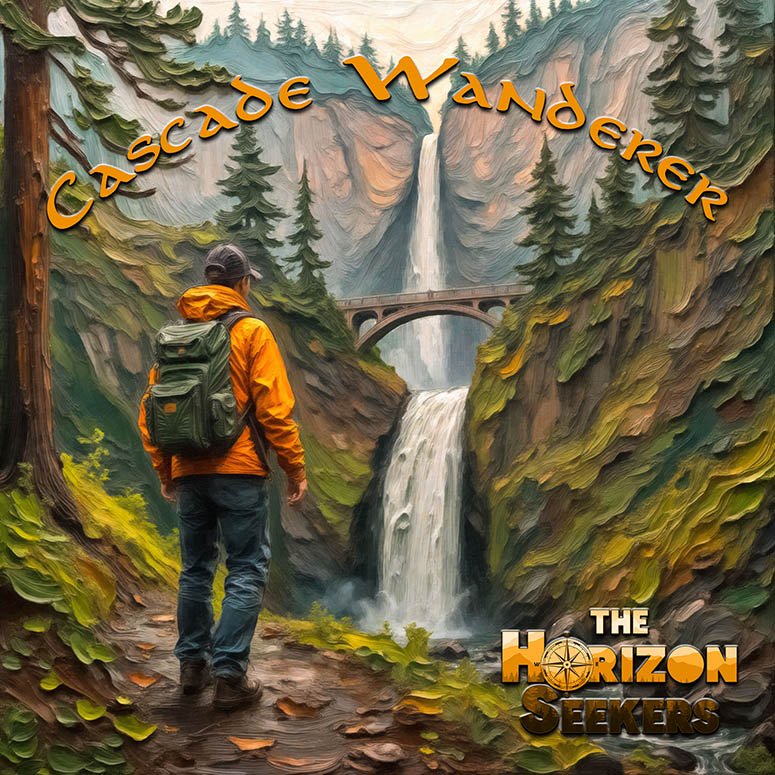
"Cascade Wanderer©"
Lyrics by M. S. McKenzie (Unless Otherwise Noted) | Music Performed by Songs Across America or American Storyteller Music, All Songs Are Protected by Copyright
~ Associated State Links ~
"Cascade Wanderer"
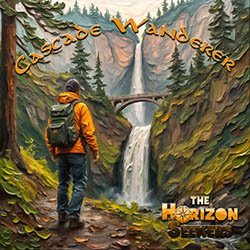
I wrote "Cascade Wanderer" for the simple, unhurried pleasure of a daylight drive through the Cascades with nowhere in particular to be. Rollin' through the Cascades, snow-laden peaks in sight, whisperin' pines beside me, casting shadows in the light, and I wanted the whole song to move at the pace of that drive, steady, easy, in no rush to arrive anywhere specific.
The story behind the song is the line each mile a chapter, each bend another poem, because I wanted the journey itself to feel like the point rather than any destination at the end of it. Wheels turning slow and steady, heartbeat calm and ready, this is a song about the specific peace of motion through beauty, not about getting somewhere.
What I care about most is the chorus's claim, from the city's clamor to the silence I adore, cascade wanderer forevermore, because I wanted this to read as an identity rather than a single trip. Some people are built for exactly this kind of unhurried wandering, and Songs Across America has room for the quiet, ongoing pleasure of a life organized around finding roads like this one.
Gentle, easygoing folk-rock built on a steady, rolling rhythm, structured as an unhurried daylight drive through the Cascade Range.
Unhurried travel through mountain scenery, the peace found in motion rather than arrival, escape from urban noise, and wandering as identity rather than a single trip.
Primary Subject:
A solitary driver moving unhurriedly through the Cascade Mountains, finding peace in the journey itself.
Mood:
Peaceful, unhurried, and quietly free throughout.
Sometimes the destination isn't the point at all, and a life organized around unhurried wandering through beautiful, quiet places is its own complete and worthy way of living.
[Verse]
Rollin' through the Cascades
Snow-laden peaks in sight
Whisperin' pines beside me
Casting shadows in the light
The road is windin' steady
Like a river through the trees
Heartbeat's calm and ready
Wanderin' with ease
[Verse 2]
Frosty breath of morning
Paintin' peaks in white
Mountains standin' guard like
Sentinels in the light
Wheels turn slow and steady
On this road I roam
Each mile a chapter
Each bend another poem
[Chorus]
Whispers of the wild and
Echoes of the past
In the arms of nature
I'm forever free at last
From the city’s clamor
To the silence I adore
Cascade wanderer forevermore
[Verse 3]
Golden light is breakin'
Over snowy crowns
Voices of the wild
In the stillness found
Eagles soaring high
In that endless sea
Heaven-touchin' mountains
are wild and free
[Bridge]
In the quiet twilight
Tales of time unfold
Legends of the ancients
In the world's wild hold
Findin' solace in the spaces
Where the world is clear
Among the mountain faces
There's nothin' to fear
[Verse 4]
In the winter’s snowfall
Every flake a sign
Of nature’s gentle whisper
Of the grand design
Still the road is callin'
Onward let me ride
Through these sacred mountains
With nowhere to hide
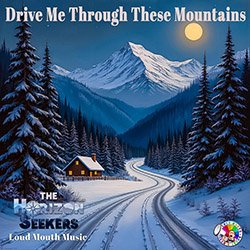
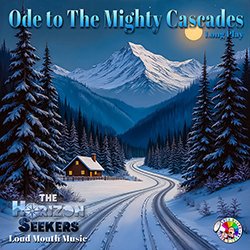
“Cascade Wanderer” is a reflective folk-rock and Americana road song about freedom, solitude, and the restorative power of traveling through the snow-covered Cascade Mountains. Rather than focusing on specific towns or landmarks, the song captures the experience of moving through a vast winter landscape where winding roads, whispering pines, distant peaks, eagles, snow, and silence gradually replace the noise and pressure of everyday life.
At its heart, the song is about a traveler who does not seem to be running toward a destination. He is simply moving because movement itself brings peace. The road becomes a place of clarity, and the Cascades become a sanctuary where he can step outside ordinary obligations and reconnect with something more elemental.
The title, “Cascade Wanderer,” immediately defines the narrator through movement. He is not a tourist following an itinerary and not necessarily someone trying to arrive anywhere in particular. He is a wanderer, someone who finds meaning in the journey itself.
The word “wanderer” also suggests independence. The narrator is willing to travel without knowing exactly what waits ahead. He values openness over certainty. By attaching that identity specifically to the Cascades, the song turns the mountain range into his natural home ground. The Cascades are not merely scenery around him. They shape the rhythm of his thoughts. The first verse begins with the narrator “rollin’ through the Cascades,” establishing immediate forward motion.
The conversational contraction gives the lyric a relaxed, road-song quality. There is no urgency. The traveler is comfortable inside the journey. Snow-laden peaks appear in the distance, creating scale and direction. Even when the road passes through dense forest, the high mountains remain visible as landmarks above the trees. The phrase “Whisperin’ pines beside me” gives the forest a voice. Wind through evergreen branches becomes one of the recurring sounds of the wilderness. The pines do not shout. They whisper.
That distinction is important because the song repeatedly contrasts the quiet communication of nature with the “city’s clamor” mentioned later in the chorus. The shadows cast through the light suggest the changing rhythm of driving through forest. Sunlight appears and disappears between trunks and branches, creating alternating bands of brightness and darkness across the road.
The winding road is compared with a river flowing through the trees. This is a particularly effective image because both roads and rivers follow the shape of terrain rather than forcing a perfectly straight course. The comparison also gives the journey a sense of inevitability. The narrator simply follows the road as water follows a valley. “Heartbeat’s calm and ready” reveals the emotional condition created by the landscape. He may have entered the mountains carrying tension, but now his pulse has settled. The phrase “Wanderin’ with ease” reinforces that this is not an anxious escape. The narrator is comfortable with uncertainty.
The second verse begins in cold morning air. “Frosty breath of morning” personifies the dawn itself, while the following line describes the peaks being painted white. Snow becomes both weather and artistic material. The mountains standing guard like sentinels continues a recurring image in your landscape songs, but it works especially well here because the traveler is moving through enclosed mountain country. The peaks seem to watch over the road. The word “sentinels” suggests permanence, protection, and silent awareness. Human travelers come and go, but the mountains remain. The wheels turn “slow and steady,” reinforcing the deliberate pace of the song. The narrator is not speeding through the landscape. He wants to experience it. The line “Each mile a chapter / Each bend another poem” is one of the song’s strongest statements.
Travel becomes storytelling. Every mile adds another part to the narrative, while every curve in the road reveals a new composition of trees, mountains, snow, and sky. Calling each bend a poem suggests that beauty does not require dramatic landmarks. A simple turn in a mountain road can contain enough form, rhythm, and emotion to become meaningful.
The chorus explains why the narrator keeps returning to this environment. “Whispers of the wild and / Echoes of the past” joins nature and memory. The wild whispers through trees, wind, snow, animals, and moving water. The past echoes through old trails, Indigenous histories, forgotten travelers, logging roads, mountain communities, and the narrator’s own previous journeys. The phrase “In the arms of nature” gives the wilderness a nurturing quality. Nature becomes something capable of holding the narrator.
This is a significant contrast with landscapes that are portrayed as threatening or indifferent. Here, the mountains offer refuge. “I’m forever free at last” suggests that the narrator has escaped something emotionally confining. The song does not explain exactly what. It could be work, city life, obligations, grief, stress, social pressure, or simply the feeling of being trapped by routine.
That lack of specificity makes the line broadly relatable. The next contrast makes the source of relief clearer:
“From the city’s clamor / To the silence I adore.”
The city represents noise, urgency, traffic, conversation, technology, schedules, and constant stimulation. The mountains offer the opposite. Silence in the song is not emptiness. It contains wind, birds, snow, breath, and distant natural sounds. The narrator does not need absolute quiet. He needs freedom from artificial noise.
The final phrase, “Cascade wanderer forevermore,” turns the song’s title into an identity statement. He is no longer simply traveling through the Cascades. He belongs emotionally to the act of wandering there. The third verse introduces golden light breaking across snowy summits. The combination of gold and white creates one of the song’s clearest visual moments. Early sunlight often changes mountain snow from blue-gray shadow into warm gold, creating the impression that the peaks themselves are awakening.
The “voices of the wild” continue the song’s sound imagery. These voices may include birds, wind, branches, water, or animals moving through the forest. The important idea is that silence contains communication. The narrator hears more precisely because there is less human noise. The eagle soaring overhead becomes a symbol of the freedom he is seeking. Its flight requires no road.
The narrator must follow curves and passes, but the eagle moves directly across the open sky. The “endless sea” beneath or around the bird likely refers to the vast sky or the rolling mountain landscape. This gives the eagle a nearly limitless realm. The phrase “Heaven-touchin’ mountains” emphasizes the immense elevation of the peaks and gives them a spiritual character.
The mountains physically rise toward the sky, but emotionally they also lift the narrator’s perspective. The declaration that they “are wild and free” mirrors the narrator’s desired condition. He sees in the mountains what he wants to become. The bridge slows the song into a more contemplative space. Twilight replaces the bright mountain morning.
This movement from morning into evening suggests that the narrator has spent an entire day traveling through the range. “Tales of time unfold” introduces deep history. The landscape contains stories far older than the road or the traveler.
The reference to “Legends of the ancients” suggests awareness of earlier peoples and traditions connected to the mountains. Because the Cascades encompass homelands of many living Indigenous nations, the phrase works best as poetic acknowledgment rather than implying a vanished people. The “ancients” should be understood as earlier generations whose descendants and cultural relationships continue. The line “In the world’s wild hold” makes the wilderness seem almost protective. The traveler is temporarily outside normal civilization and inside a larger natural order.
“Findin’ solace in the spaces / Where the world is clear” is one of the song’s emotional centers. The narrator does not necessarily find answers. He finds clarity. The open spaces remove distractions and allow him to think more honestly. “Among the mountain faces / There’s nothin’ to fear” personifies the peaks as faces looking back at him. Instead of appearing threatening, they provide reassurance. The narrator’s fear diminishes because he is surrounded by something far larger than himself.
The fourth verse returns to winter snowfall. Each snowflake is described as a sign of nature’s gentle whisper and “the grand design.” This introduces the song’s most philosophical language. The grand design can be interpreted spiritually, metaphorically, or simply as admiration for the complexity and order found in natural systems.
The lyric does not need to insist upon a specific religious meaning. The snowflake becomes a symbol of pattern, uniqueness, and temporary beauty. “Still the road is callin’” returns the song to motion. Even after a day of clarity and reflection, the narrator does not stop. The road continues. The phrase “Onward let me ride” sounds almost like a personal credo. Movement has become part of his freedom. “Through these sacred mountains” reinforces the reverence established throughout the song. The Cascades are sacred because of what they represent to him: beauty, silence, perspective, memory, and freedom.
The closing phrase “With nowhere to hide” introduces an interesting final turn. Earlier, the mountains functioned as an escape from the city. Now the narrator recognizes that true solitude also removes distraction. There is nowhere to hide from himself. That makes the journey more than escapism. The mountains do not merely help him avoid problems. They strip away the noise that allowed him to avoid confronting them.
This gives the ending psychological depth. The narrator enters the Cascades looking for freedom, but freedom also requires honesty. Musically, “Cascade Wanderer” would work especially well as a mid-tempo folk-rock, Americana, acoustic country-rock, or melodic mountain-road song. The arrangement should create a sense of constant forward movement without sounding rushed. A fingerpicked acoustic guitar or gently strummed twelve-string could establish the road rhythm. Warm bass and restrained drums could imitate the steady roll of tires.
A clean electric guitar, fiddle, or mandolin could provide melodic responses between vocal lines. The first verse should feel open and relaxed. The rhythm should be steady enough to suggest driving but spacious enough for the landscape imagery to breathe. The second verse could add light strings or fiddle as the morning sun reaches the mountains. The line “Each mile a chapter / Each bend another poem” would benefit from a small melodic lift or instrumental answer.
The chorus should broaden noticeably. Harmony vocals could enter on “whispers of the wild” and expand through “forever free at last.” The phrase “Cascade wanderer forevermore” has strong anthem potential and could be sung with layered background voices. The third verse should become brighter.
A soaring fiddle, electric guitar, or sustained vocal harmony could represent the eagle rising above the mountains. The bridge should pull the arrangement back. Acoustic guitar, low strings, and perhaps soft choir-like backing vocals could create the twilight atmosphere.
The line “Where the world is clear” could be followed by a brief pause, reinforcing the quiet the lyric describes. The fourth verse should gradually rebuild. Light percussion and strings could return beneath the snowfall imagery. The final line “With nowhere to hide” should not necessarily be sung triumphantly.
A more reflective delivery would preserve its ambiguity. An instrumental outro would fit the song naturally. The main melody could continue on fiddle, electric guitar, harmonica, or piano while the rhythm maintains the feeling of a vehicle continuing along the mountain road. The ending could fade rather than resolve abruptly.
That would reinforce the idea that the wanderer has not reached a final destination. At its heart, “Cascade Wanderer” is a song about choosing movement over confinement and silence over noise. The narrator does not reject civilization completely. He simply recognizes that he needs distance from it. The mountains allow him to recover a slower rhythm.
The road requires attention but not urgency. Snow falls without asking anything of him. Trees whisper without demanding an answer. Eagles move freely above. The simplicity of those experiences restores emotional balance. The song also presents wandering as something positive rather than aimless. The narrator may not know exactly where he is going, but every mile teaches him something.
Each bend becomes another poem because meaning emerges through observation rather than destination.
That philosophy gives the song a broader relevance beyond the Cascades. Many people recognize the feeling of needing to drive, walk, sail, or travel simply to create enough distance from ordinary life to hear themselves think again. The song’s deepest tension appears in the final line. The narrator enters the wilderness partly to escape, yet discovers that wilderness leaves “nowhere to hide.” Without the distractions of the city, he must encounter his own thoughts directly. That turns the Cascades from a hiding place into a place of self-recognition. “Cascade Wanderer” is therefore both a mountain road song and a meditation on freedom, solitude, and clarity.
Its deepest message is that sometimes the most important journeys do not lead toward a particular destination. They lead away from noise. They lead into silence. And somewhere between the whispering pines, the snowy summits, and the next unseen bend in the road, the wanderer discovers enough space to feel free again.






















.jpg)