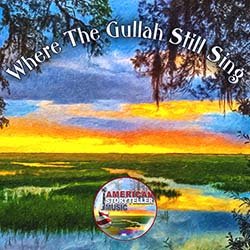
"Where The Gullah Still Sing ©"
Release Date: April 2nd, 2026

~ Associated State Links ~
"Where The Gullah Still Sing"
I wrote "Where the Gullah Still Sing" to honor a culture that survived the exact thing it was meant to erase. The Gullah Geechee people descend from enslaved Africans along the Lowcountry coast, and everything that history tried to strip away, language, family, drum, land, the culture found a way to keep alive anyway, hidden in the marsh grass and the pluff mud and passed down hand to hand, bone to bone, in the decades since. I wanted the song to open with the actual vocalizations and rhythms that carried that survival, because the sound itself is the history.
The story behind the song is the refusal at its center, what they thought they buried still comes rolling home. I did not want to write only about the violence of what was done, took the child from the mother, took the drum from the hand, though I refused to soften that either. I wanted the emphasis to land on what endured despite it, a culture, a language, a set of old ways that live in the wind precisely because they were never fully extinguishable.
What I care about most is that this is a living culture, not a historical one. Where the Gullah still sing is present tense on purpose. Songs Across America has room for the hardest parts of this country's history, and I believe honoring them means refusing to speak of Gullah culture only in the past. I hope this one is heard as a tribute to survival and continuity, sung by the descendants of people who were never fully able to be silenced.
Percussive coastal roots music built on traditional call-and-response vocalizations, wood-strike and stomp rhythms, and a rising, anthemic chorus honoring survival and continuity.
Gullah Geechee cultural survival and resilience, the endurance of language and tradition through slavery, ancestral memory carried in land and rhythm, and the present-tense continuity of a living culture.
Primary Subject:
The Gullah Geechee people of the Lowcountry coast, their history of enslavement and the culture, language, and rhythm that survived and continues into the present.
Mood:
Solemn and haunting at the opening, deepening into righteous resilience, and closing on proud, unbroken continuity.
A culture built to survive attempted erasure carries its history not as a wound frozen in the past, but as a living, ongoing rhythm, passed hand to hand, that continues to rise no matter what was done to bury it.
[Percussive Intro / Traditional Vocalizations]
Ho-ehh
Ho-ehh
Ay-yo
Ay-yo
Eh-heh now
Eh-heh now
[wood strike]
[stomp stomp]
[wood strike]
[stomp stomp]
Ho-ehh
Ay-yo
Eh-heh now
Let it rise
Let it rise
[Verse 1]
Down where the marsh grass bends in the evening tide
And the salt wind carries what the years can't hide
Hands in the water, backs to the burning sun
Old hurt buried deep, but it never come undone
Moon on the black creek, hush in the live oak shade
Footprints in the pluff mud where the lost were made
Names fell quiet, but the ground still knows
And the night speaks low where the river flows
[Pre-Chorus]
You can hear that hollow wood talking in the dark
Feel that old, old rhythm like a fire with no spark
Passed from hand to hand, passed from bone to bone
What they thought they buried still comes rolling home
[Chorus 1]
Where the Gullah still sing
Where the old ways live in the wind
What they tried to break still breathes
And the tide brings it back in
[Verse 2]
They came with their iron and their language of command
Took the day, took the body, tried to take the land
Took the child from the mother, took the drum from the hand
Left a sorrow in the soil running red through the sand
But the beat found a way through the heel and the cane
Through the strike on the timber and the work and the pain
In the circle unbroken where the hush turned strong
Every breath said no in the shape of a song
[Pre-Chorus]
Hear that axe handle answer when it hits the board
Hear a hundred stolen mornings rise without a word
Moved in the body, carried underground
Now the old heart of the Lowcountry is thundering out loud
[Chorus 2]
Where the Gullah still sing
Through the pain, through everything
From the dark came a living flame
And the marsh still knows our name
[Breakdown / Stomp and Clap Section]
[wood strike]
[stomp stomp]
[clap clap]
[wood strike]
[stomp stomp]
[clap clap]
Ho now
Ho now
Rise up from the water
Rise up from the ground
Ho now
Ho now
Let the old sound find us
Let the old sound pound
[Band enters harder]
Feet on the floor now
Hands to the sky
Breath of the mothers
Still alive
Beat of the old world
Won't let go
Deep in the tide line
Feel it roll
[Bridge]
Not gone
Not bent
Not erased by the whip or the years
Still here
Still warm
Still rising through blood and tears
In the reed and the water
In the board and the skin
In the hush before dawn
Hear the old songs coming in
[Final Chorus 1]
Where the Gullah still sing
Where the old ways live in the wind
What they tried to break still breathes
And the tide brings it back in
[Final Chorus 2]
Where the Gullah still sing
Through the pain, through everything
From the dark came a living flame
And the marsh still knows our name
[Outro]
Ho-ehh
Ay-yo
Eh-heh now
Still can sing
[wood strike]
[stomp stomp]
Still can sing
[wood strike]
[stomp stomp]
Where the marsh still knows our name
Song Description
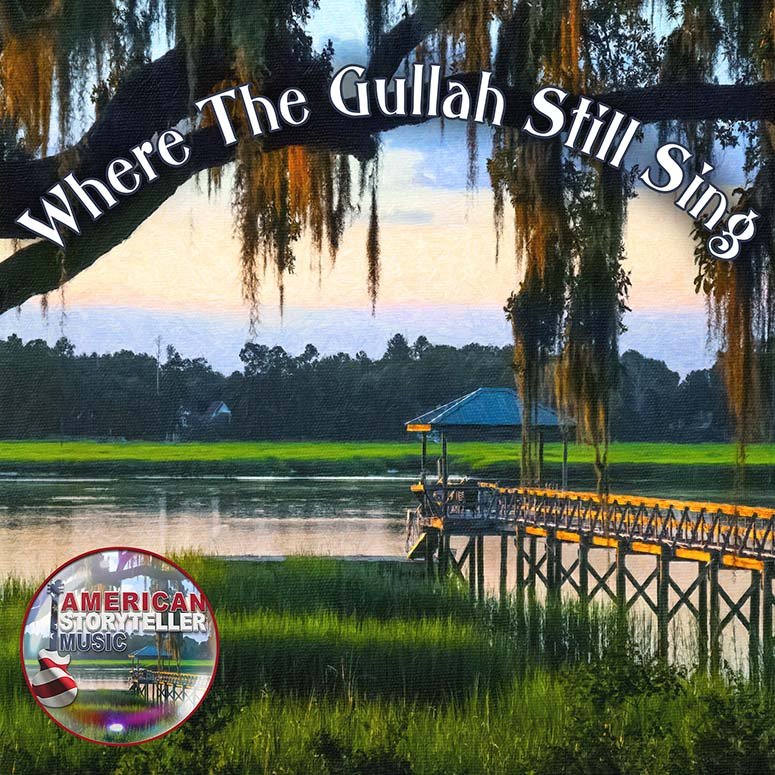
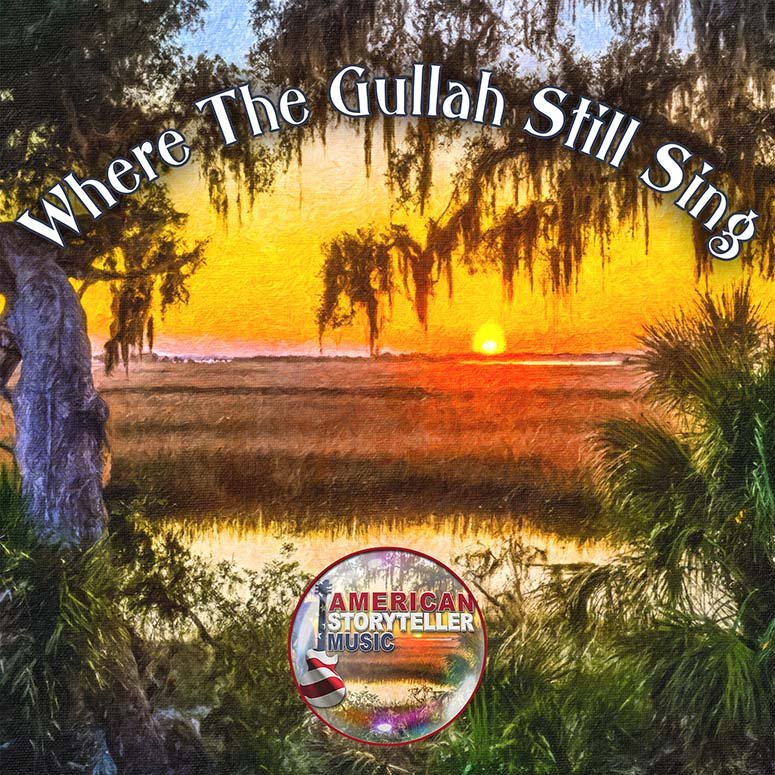
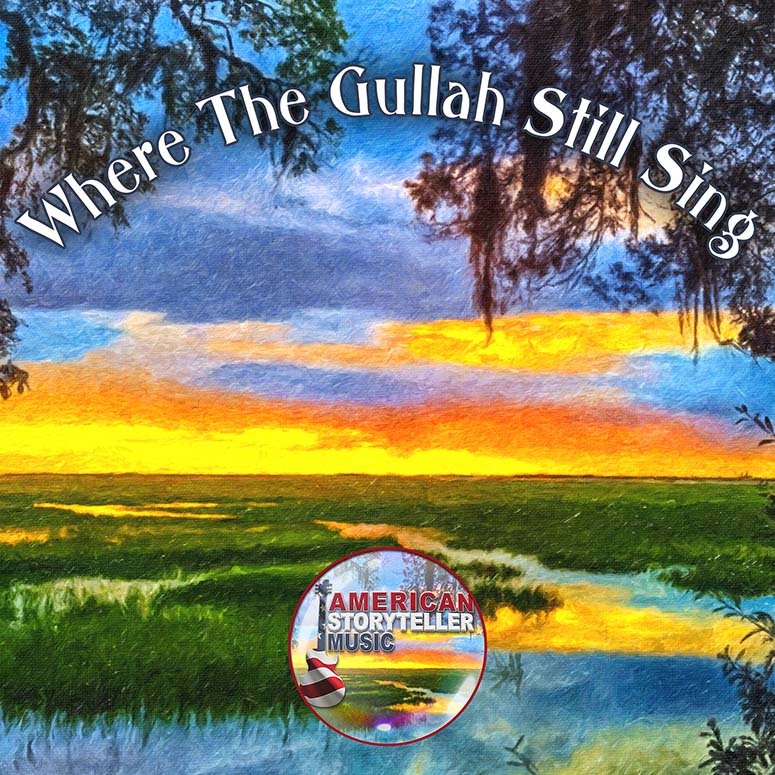
"Where the Gullah Still Sing" is one of the most powerful and culturally rooted songs in the Songs Across America project, blending historical memory, ancestral rhythm, and modern musical storytelling into a moving tribute to the Gullah Geechee people of the South Carolina Lowcountry. Set among marsh grass, tidal creeks, live oaks, and the haunting beauty of the coastal South, the song draws on the spirit of traditional ring-shout rhythms and body percussion while reimagining them through a contemporary indie-folk-rock-blues lens.
The song opens almost like a ritual. Traditional-style vocalizations, foot stomps, hand claps, and the striking of wood establish an earthy pulse that feels ancient, physical, and communal. These sounds evoke not only the remembered musical traditions of the Gullah Geechee people, but also their distant West African roots, where rhythm, movement, and collective voice carried meaning far deeper than words alone. From the very beginning, the arrangement creates a sense of ancestral presence, as though the land itself is remembering.
Lyrically, "Where the Gullah Still Sing" confronts the legacy of slavery with dignity and restraint. Rather than describing brutality in blunt historical terms, the song lets the images carry the weight: bent backs in the burning sun, names that fell quiet, sorrow buried in the soil, and rhythms preserved in the body when so much else was taken. The effect is unmistakable. The listener feels the cruelty and dehumanization inflicted upon enslaved Africans, yet the song never allows that suffering to define the people at its center. Instead, it shows how memory, identity, and culture survived beneath oppression and continued to live on in rhythm, movement, and voice.
What makes the song especially compelling is its emotional arc. The opening verses are hushed, reverent, and haunted, full of atmosphere and buried pain. But as the percussion intensifies and the full band gradually joins the traditional rhythmic core, the music begins to rise. The alternating choruses become declarations of survival: what others tried to break still breathes, and what history tried to bury still returns with the tide. By the second half of the song, grief has transformed into strength. The stomp-and-clap breakdown becomes a kind of collective release, and the final choruses lift into triumph without ever losing the song's grounding in history and place.
Musically, the track stands out for its unusual and deeply effective fusion of styles. It honors the ring-shout tradition through its use of wood strike, stomp, clap, breath, and call-like vocal textures, while layering in swampy folk-blues guitar, earthy bass, roots percussion, and modern indie-folk-rock energy. This gives the song both authenticity of feeling and broad contemporary appeal. It sounds timeless and new at once, like an old current flowing through a modern riverbed.
At its heart, "Where the Gullah Still Sing" is a song about endurance. It is about a people who passed through unimaginable suffering but were never erased. It is about memory held in the body, history written into the land, and culture surviving through generations despite every attempt to silence it. The marsh, the tide, the wood, and the night air all become witnesses to that endurance. By the final refrain, the song is no longer simply remembering the past. It is proclaiming that the spirit of the Gullah Geechee people is still here, still rising, and still singing.


















.jpg)