"The River of Grass©"
Lyrics by M. S. McKenzie | Performed by Songs Across America Music©


"The River of Grass"
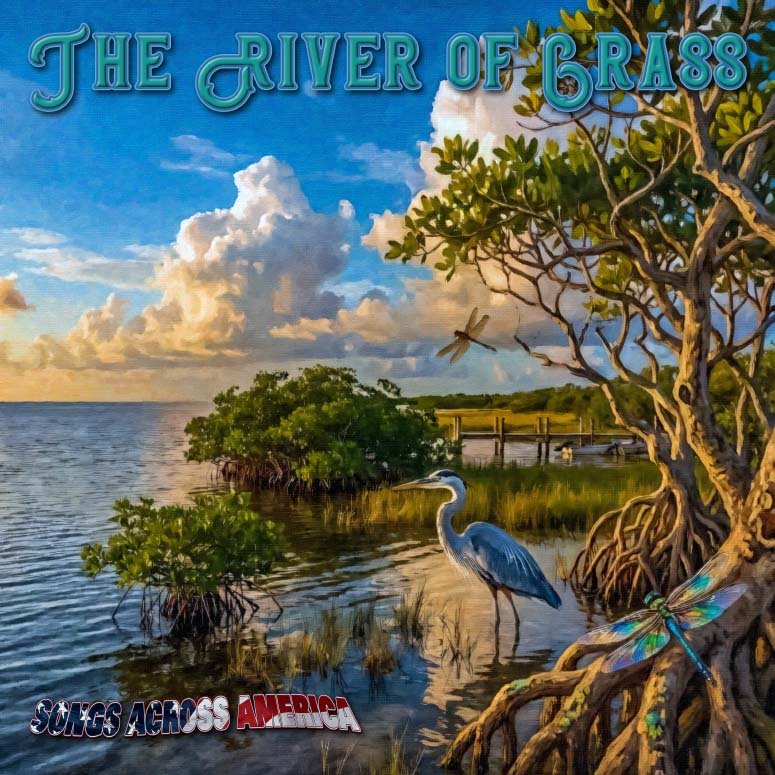
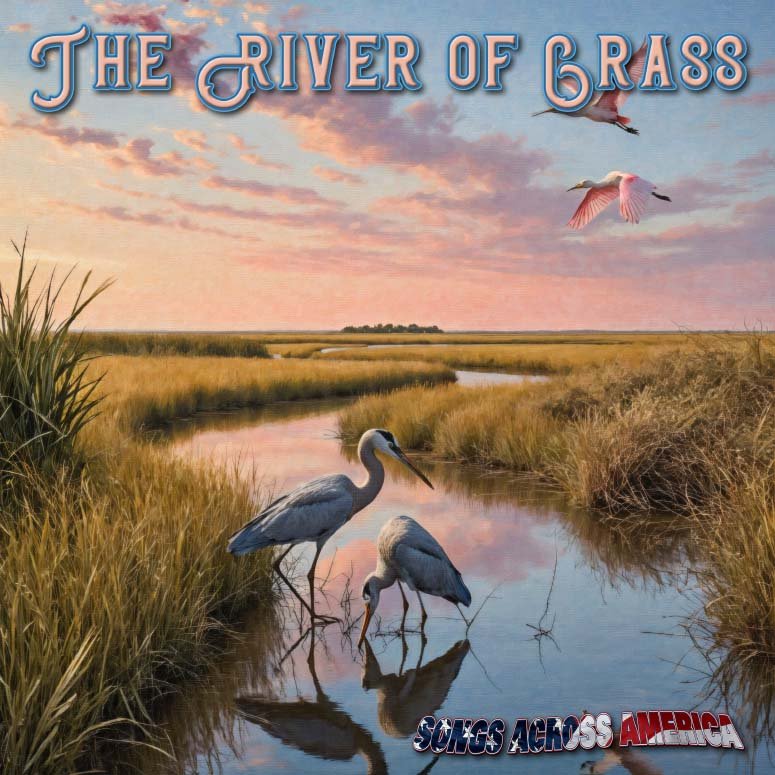
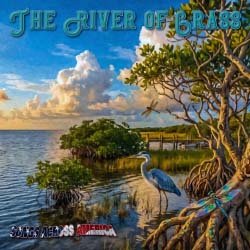
I wrote "The River of Grass" using the Everglades' own old nickname, because I think it's the most accurate name any American landscape has ever been given. This isn't a swamp in the way people usually picture one. It's genuinely a slow-moving river, sixty miles wide and barely visible as it moves, and I wanted the song's own pace, unhurried, patient, to match the way the Everglades actually flows.
The story behind the song is how much I let the wildlife carry the wonder, snowy egrets, manatees sleeping beneath ancient cypress, a whole ecosystem functioning quietly and invisibly to most people driving past on the highway. Golden sunlight on a sawgrass sea, warm winds blowing wild and free, felt like the right way to capture a landscape that rewards stillness rather than spectacle.
What I care about most is the phrase this river of grass is calling me home, because I wanted the Everglades to be understood as more than scenery passed through on the way to Miami. Songs Across America has plenty of dramatic mountain and canyon songs. This one is for the quieter, stranger kind of American wilderness, a river disguised as a field, patient enough to call people back again and again.
Gentle, atmospheric folk ballad built on a flowing, unhurried chorus, structured as a quiet float through the Everglades' sawgrass and cypress.
The Everglades as a slow-moving river rather than ordinary swamp, quiet wildlife and ecosystem wonder, patience rewarded over spectacle, and a landscape that calls people home.
Primary Subject:
The Everglades, its sawgrass prairies, cypress domes, egrets, and manatees.
Mood:
Peaceful, reverent, and quietly enchanted throughout.
Some of the most remarkable American landscapes reward stillness rather than spectacle, a river disguised as grass, and recognizing that quieter kind of wonder is its own form of homecoming.
[Intro: Instrumental]
[Verse 1]
Golden sunlight on a sawgrass sea
Warm winds blowing wild and free
Ancient cypress rooted down deep
Where the gentle manatees sleep
[Chorus]
This river of grass is calling me home
Down where the snowy egrets roam
Chartreuse and turquoise under azure, blue
Florida’s magic is waiting for me and you
[Verse 2]
Flamingos stroll through crystal-clear springs
While a multitude of colorful songbirds sing
Rosette Spoonbills browse Mangrove roots
And hermit crabs pick at tender, green shoots
[Instrumental Break]
[Verse 3]
Deer wander in the morning light
Chasing shadows from the night
Spanish mosses drape huge live oaks
Draping the trees in a silvery cloak
[Bridge]
Colorful orchids bloom in the heavy heat
While nature’s rhythm thrums a steady beat
In these hidden trails in the humid shade
Deep inside the wild heart of the Everglades
[Chorus]
This river of grass is calling me home
Down where the snowy egrets roam
Chartreuse and turquoise under azure, blue
Florida’s magic is waiting for me and you
[Chorus]
This river of grass is calling me home
Down where the snowy egrets roam
Chartreuse and turquoise under azure, blue
Florida’s magic is waiting for me and you
[Outro: Instrumental]
"The River of Grass" is a lush, colorful tribute to the Everglades and the broader subtropical wilderness of southern Florida, built around the idea of the landscape as a slow-moving, living river rather than a conventional swamp. The song celebrates sawgrass prairies, cypress, mangroves, wading birds, orchids, live oaks, humid shade, and the extraordinary palette of greens, blues, and silvers that define the region. More than a scenic description, however, the song presents the Everglades as a place of emotional return, somewhere the narrator feels instinctively drawn toward. The repeated line that the river of grass is "calling me home" turns the wetlands into a personal refuge rather than merely a destination.
The title, "The River of Grass," is especially effective because it captures one of the defining visual impressions of the Everglades. From a distance, broad expanses of sawgrass can appear almost like a green sea stretching toward the horizon, while shallow water moves slowly beneath and between the vegetation. The title therefore combines land and water into one image, which is exactly what makes the Everglades so distinctive. The landscape is neither completely terrestrial nor completely aquatic, and the song embraces that ambiguity rather than trying to force it into a more familiar category.
The instrumental introduction could establish the atmosphere gradually, perhaps with acoustic guitar, warm electric piano, soft percussion, and a low, flowing bass line. A gentle flute, clean electric-guitar phrase, or subtle string texture could suggest warm wind moving through sawgrass. The music should feel spacious and unhurried because the Everglades are defined less by dramatic vertical scenery than by horizontal distance, subtle movement, and close attention to small changes in light and wildlife. The arrangement would benefit from a steady, almost drifting pulse that gives the sensation of gliding across shallow water.
The first verse opens with "Golden sunlight on a sawgrass sea," immediately creating one of the song's strongest images. The term "sea" exaggerates the scale just enough to communicate how enormous and continuous the wet prairie can appear. Golden light adds warmth and gives the grass a luminous quality, especially at morning or evening when low sun can transform the landscape. The scene is not empty, even though it may initially appear open and quiet, because water, insects, birds, reptiles, fish, mammals, and countless plants inhabit different levels of the wetland.
The warm winds "blowing wild and free" add motion to the grass and reinforce the song's sense of openness. Unlike forest landscapes where vegetation can enclose the traveler, the sawgrass country often gives the impression of great distance and exposure. The wind becomes part of the freedom the narrator associates with Florida's wild interior. It also helps the landscape feel alive, with grasses bending and shimmering in waves beneath changing light.
The ancient cypress rooted deeply introduces a contrasting vertical image. Cypress trees rise from wet ground and dark water, creating islands, domes, or strands of forest within the broader marsh landscape. Calling them ancient gives the trees a sense of endurance, as though they have watched countless wet and dry seasons pass around them. Their roots anchor the scene physically and symbolically, balancing the floating, flowing imagery that dominates much of the song.
The line about gentle manatees sleeping beneath or near this environment adds a peaceful aquatic presence, though geographically manatees are more strongly associated with deeper waterways, coastal areas, rivers, canals, and warm-water refuges than with the shallow sawgrass interior itself. As a broader Florida image, however, they fit the song's affectionate portrait of subtropical wildlife. Their slow movement and calm demeanor make them especially suitable for a song centered on gentleness rather than danger. They also reinforce the theme of water as a habitat shared by many different forms of life.
The chorus shifts from description to emotional belonging. "This river of grass is calling me home" is the song's central statement, and it works because the narrator does not need to explain exactly why he feels connected to the place. The call may come from childhood memory, repeated travel, love of nature, or simply the sense of peace he experiences there. By leaving the origin of that attachment unstated, the lyric becomes easier for listeners to personalize.
Snowy egrets roaming through the wetlands provide an elegant visual anchor for the chorus. Their bright white plumage stands out sharply against green vegetation and dark water, making them among the most visually striking birds in a wetland environment. Their deliberate movements through shallow water suit the song's unhurried pacing. The word "roam" also gives them freedom, reflecting the narrator's own desire to move through the landscape without pressure or destination.
The color line "Chartreuse and turquoise under azure, blue" creates a highly saturated, almost painterly impression. Chartreuse evokes bright yellow-green vegetation, turquoise suggests shallow water and reflected light, while azure completes the image with open Florida sky. The punctuation would read more smoothly as "Chartreuse and turquoise under azure blue" without the comma, unless the pause is musically intentional. The line effectively turns the Everglades into an impressionistic canvas rather than a strictly realistic color inventory.
The final chorus line, "Florida's magic is waiting for me and you," opens the song outward. Up to this point, much of the imagery could belong to a solitary observer, but this line invites another person into the experience. The wilderness becomes something to share rather than possess. The word "magic" also reinforces the sense that the Everglades can be difficult to understand at first glance, with much of their beauty revealed gradually through wildlife movement, changing weather, reflected light, and the subtle relationship between land and water.
The second verse becomes more colorful and active, bringing together flamingos, songbirds, roseate spoonbills, mangroves, and hermit crabs. The imagery expands the song toward a broader South Florida ecosystem rather than remaining exclusively within the sawgrass interior. This works artistically because the Everglades region connects freshwater wetlands, mangrove forests, estuaries, coastal areas, and neighboring subtropical habitats. The verse feels almost like the narrator is moving through increasingly varied environments while keeping the same sense of wonder.
The flamingos are a dramatic opening image because their pink coloration immediately intensifies the song's palette. Their presence in Florida has a complicated history, with the species long associated culturally with the state despite being uncommon in the wild for much of the modern era, but sightings have occurred and the bird remains strongly tied to Florida imagery. The line "Flamingos stroll through crystal-clear springs" works poetically, though flamingos are more naturally associated with shallow coastal lagoons, mudflats, and saline environments than freshwater springs. If strict ecological precision matters, that may be one line worth reconsidering.
The "multitude of colorful songbirds" introduces sound after the visually dominant opening. Their calls make the wetlands feel populated and active rather than silent. Migration also gives Florida enormous importance for birds moving between regions, so the image of varied songbirds fits the state's broader ecological identity. Musically, this line could be supported by light flute, piccolo, or quick guitar embellishments suggesting multiple voices without imitating specific birds too literally.
The line "Rosette Spoonbills browse Mangrove roots" appears to intend "roseate spoonbills." That spelling correction would be worth making because the roseate spoonbill is one of the most distinctive birds in Florida's coastal and wetland environments. Their pink plumage, long legs, and broad spoon-shaped bills give them an almost improbable appearance, making them ideal for the colorful character of the song. The verb "browse" could also be replaced with "forage", since they feed by sweeping their bills through shallow water rather than browsing vegetation in the usual sense.
The hermit crabs picking at green shoots bring the imagery down to a much smaller scale. After large birds and open landscapes, the listener is invited to notice small creatures moving along the shoreline or mangrove environment. This change of scale is effective because healthy ecosystems are not defined only by charismatic animals. Tiny scavengers, insects, shellfish, plants, and microorganisms are just as important to the functioning of the larger system.
The instrumental break after the second verse provides a useful opportunity for the song to breathe. The first two sections contain dense visual imagery, so a melodic interlude could let the listener settle into the atmosphere before the song changes direction. A lightly syncopated guitar or keyboard melody would work well, perhaps accompanied by soft percussion with a subtle tropical or swampy feel. The break should remain naturalistic rather than becoming overly exotic or stereotypical.
The third verse turns toward deer, live oaks, shadows, and Spanish moss, creating a slightly more inland and wooded character. Deer moving through morning light introduce quiet, cautious movement, while the line about chasing shadows from the night suggests the landscape awakening at dawn. The imagery is gentle and almost pastoral, contrasting with popular portrayals of the Everglades as dangerous or forbidding. The song consistently chooses beauty, peace, and observation over threat.
The Spanish moss draped across large live oaks creates one of the most recognizable Southern images in the lyric. The repeated use of "drape" in "Spanish mosses drape huge live oaks / Draping the trees in a silvery cloak" is understandable but somewhat redundant. A smoother alternative might be "Spanish moss hangs from giant live oaks / Wrapping the branches in silvery cloaks." That keeps the same visual effect while giving the lines more variation.
The silvery cloak imagery fits especially well with morning or evening light, when Spanish moss can appear gray, pale green, or almost metallic against darker branches. It also gives the trees a dignified, aged quality, as though they are wearing ceremonial robes. This connects naturally with the song's broader tendency to treat the landscape as something sacred or enchanted. The trees become more than plants; they contribute to the personality of the place.
The bridge moves deeper into humid shade and introduces orchids, hidden trails, and the "wild heart of the Everglades." This is where the song becomes most intimate, leaving the broad sawgrass vistas and entering smaller, more enclosed environments. Colorful orchids blooming in heavy heat suggest delicate beauty surviving in conditions that might seem oppressive to human visitors. Their presence emphasizes that the subtropical environment creates opportunities for extraordinary plant diversity.
The phrase "nature's rhythm thrums a steady beat" is especially appropriate because the Everglades are full of layered sound. Insects, frogs, birds, wind, water, and rustling vegetation can create a continuous background pulse. "Thrums" gives that sound a low, persistent quality rather than a loud or dramatic one. The line also lends itself naturally to percussion, allowing the arrangement to become slightly more rhythmic during the bridge.
The hidden trails in humid shade suggest discovery and patience. Much of the Everglades' beauty is not immediately visible from a distant overlook because it exists within small changes in vegetation, water depth, wildlife activity, and season. The narrator seems to understand that entering the "wild heart" requires slowing down and paying attention. This makes the song less about collecting landmarks and more about learning how to see a complicated ecosystem.
The repeated chorus then gains additional meaning because the listener has now moved through sawgrass, cypress, mangroves, birds, crabs, deer, live oaks, Spanish moss, orchids, and shaded trails. The "river of grass" becomes a shorthand for a much larger network of habitats rather than a single visual scene. The narrator's call home therefore feels connected to biodiversity as much as scenery. Florida's "magic" emerges from the way all these environments overlap and sustain one another.
The second repetition of the chorus works particularly well as an anthem-like ending. Layered vocals could gradually build around "calling me home" and "waiting for me and you," turning the personal connection into something more communal. The repeated color imagery could be supported by brighter instrumentation, perhaps strings, harmony vocals, and a melodic guitar or piano figure. Because the song is fundamentally peaceful, the final chorus should feel expansive rather than bombastic.
The instrumental outro could return to the slow, drifting atmosphere of the introduction. Acoustic guitar, electric piano, flute, or soft strings could restate the chorus melody while percussion gradually falls away. A subtle natural ambience of wind, water, insects, or distant birds could work beneath the fade if used sparingly. The effect should be that the listener remains in the wetlands after the narrator stops singing.
Musically, "The River of Grass" would work especially well as atmospheric folk-rock, adult contemporary, soft Americana, or a lightly tropical acoustic arrangement. The song should avoid becoming too busy because much of its appeal lies in openness and observation. Warm acoustic instruments mixed with gentle keyboards and layered chorus vocals would support the imagery without overpowering it. A moderate tempo with a flowing rhythm would reflect the slow movement of water through the Everglades.
At its heart, "The River of Grass" is a song about recognizing beauty in a landscape that can initially appear flat, quiet, and understated. Unlike mountain songs built around enormous peaks and dramatic vertical scale, this one asks the listener to look closely. Its grandeur lies in distance, water, color, wildlife, heat, and the subtle transitions between habitats. The Everglades reveal themselves through patience.
The song also carries an implicit conservation message even though it never states one directly. When a place is described as home, magic, sacred wilderness, and the habitat of so many different species, the desire to preserve it follows naturally. The narrator's affection is not possessive. He wants to return to a living landscape, not merely remember one that has disappeared.
"The River of Grass" is therefore both a Florida nature song and a celebration of belonging within a complex ecosystem. Its sawgrass plains, cypress trees, birds, mangroves, orchids, live oaks, and shifting colors form a landscape that is simultaneously peaceful and intensely alive. The narrator feels called home because the Everglades offer something ordinary life does not: space, rhythm, warmth, wildlife, and the sensation of entering a world still governed largely by water and season.
Its deepest message is that magic does not always announce itself with mountains, cliffs, or monumental scenery. Sometimes it moves slowly beneath grass, flashes pink through mangrove roots, hangs silver from an oak branch, or glides quietly through shallow water. The Everglades cast their spell through subtlety, and those who learn to notice it understand why the River of Grass keeps calling them back.









.jpg)