"The Summer Haven©"
Lyrics by M. S. McKenzie (Unless Otherwise Noted) | Music Performed by Songs Across America or American Storyteller Music, All Songs Are Protected by Copyright



~ Associated State Links ~
"The Summer Haven"
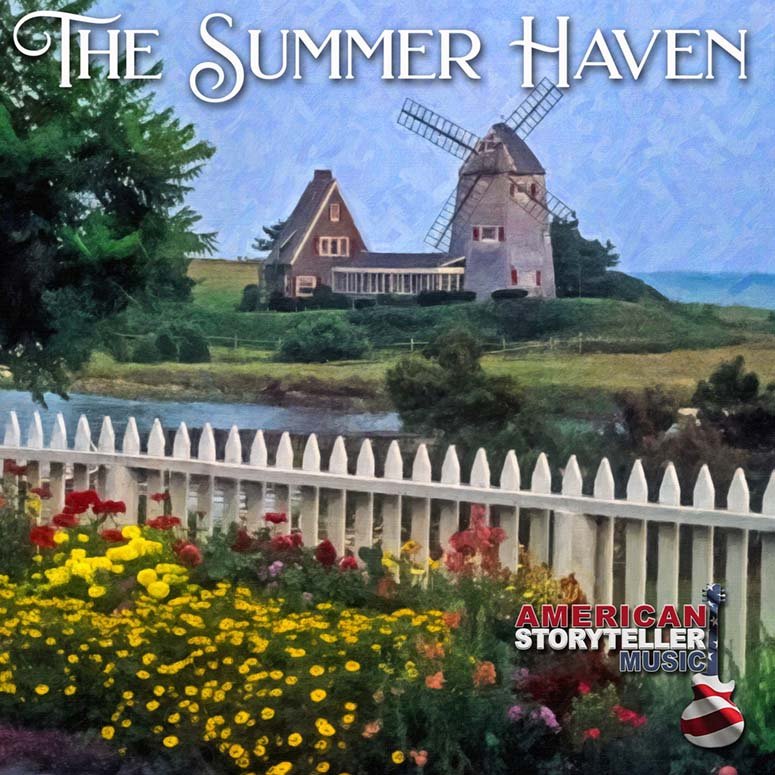
I wrote "The Summer Haven" as a loop rather than a line, because Cape Cod isn't a place people visit once, it's a place families return to summer after summer until the roads feel half-remembered before you've even turned onto them. I wanted the song to move the way an actual Cape Cod summer moves, Sandwich to Falmouth to Wellfleet to Provincetown, unhurried, familiar, already a little nostalgic even while it's happening.
The story behind the song is in the small, specific details, kettle ponds, cranberry bogs, lighthouse beacons sweeping over the foam, because I wanted the Cape's identity built out of the unglamorous textures locals actually know rather than just its postcard beaches. A place we leave but always come back for more is the whole relationship the song is describing.
Warm, breezy coastal folk-pop, structured as a loop through Cape Cod's towns with a gentle, singable chorus built for a porch or a car with the windows down.
Seasonal homecoming and nostalgia, the specific textures of a beloved coastal region, family tradition across generations, and lighthouses and tides as steady, guiding presences.
Primary Subject:
Cape Cod itself, traveled from Sandwich through Eastham, Wellfleet, and Truro to Provincetown, and the families who return to it every summer.
Mood:
Warm, nostalgic, and unhurried throughout.
Some places aren't just visited, they're returned to again and again until they become part of a family's own rhythm, and that return itself is the real vacation.
[Intro]
Get “hooked” with me where the land lets go
Where cottages fade and Tradewinds blow
Where the kettle ponds fill up with rain
And every road feels half-remembered again
[Verse 1]
Sandwich wakes to a sky filled with gold
Where harbors hold lobster boats of old
Bourne Bridge hums with summer hearts
And families trace their weathered starts
[Chorus]
Cape Cod, you're our “Summer Haven” of the East
Where memories linger and trifling worries cease
From P-Town to Sandwich then Falmouth’s shore
A place we leave but always come back for more
[Verse 2]
In Eastham dunes the plovers hide
And kettle towns dream side by side
Old cranberry bogs, red and wide
Still mark the quiet farmer’s pride
[Chorus]
Cape Cod, you're our “Summer Haven” of the East
Where memories linger and trifling worries cease
From P-Town to Sandwich then Falmouth’s shore
A place we leave but always come back for more
[Verse 3]
Wellfleet sings with an artist’s light
And Orleans glows in the soft twilight
Then Truro’s sands turn pale and thin
And Provincetown draws the whole world in
[Verse 4]
Ancient windmills creak with stories told
Of sails and Nor’easters with hands gone cold
While lighthouse beacons sweep over the foam
A steady beam guiding tired sailors home
Chorus]
Cape Cod, you're our “Summer Haven” of the East
Where memories linger and trifling worries cease
From P-Town to Sandwich then Falmouth’s shore
A place we leave but always come back for more
[Chorus]
Cape Cod, you're our “Summer Haven” of the East
Where memories linger and trifling worries cease
From P-Town to Sandwich then Falmouth’s shore
A place we leave but always come back for more
Genre and mood
This sits squarely in the singer-songwriter/folk tradition — think acoustic, gentle, nostalgic. The whole thing carries a warm, wistful tone, the kind of song you'd want with fingerpicked guitar, maybe some brushed percussion and a touch of fiddle or pedal steel. It's a "place song" in the lineage of regional anthems that celebrate somewhere the singer clearly loves. The emotional register is contentment laced with longing — summer joy that already knows it's temporary.
Structure
It follows a fairly classic verse-chorus form, with the chorus acting as the emotional anchor. You repeat it four times (intentionally, I assume), which gives it that singalong, hymn-to-a-place quality. The intro functions almost like a separate pre-verse mood-setter rather than a hook proper, easing the listener in before Verse 1 grounds us geographically.
Themes
The central theme is the cyclical nature of return — "a place we leave but always come back for more" is the thesis line. It's about how a landscape becomes a repository of memory, especially family memory ("families trace their weathered starts"). There's a strong undercurrent of generational continuity and time: windmills with "stories told," "lobster boats of old," "half-remembered" roads. The Cape isn't just scenery — it's a keeper of the past.
Imagery and sense of place
This is the strongest element. You move geographically across the peninsula like a travelogue — Sandwich, Bourne Bridge, Falmouth, Eastham, Wellfleet, Orleans, Truro, Provincetown — which gives locals an immediate thrill of recognition. The natural details are specific and well-chosen: kettle ponds (a genuinely Cape glacial feature), cranberry bogs, dunes, plovers, Nor'easters, lighthouse beacons. These aren't generic beach images; they're the real Cape, which lends authenticity.
Craft notes (a few observations)
-
The rhyme scheme is mostly clean AABB couplets, which suits the folk simplicity.
-
"Trifling worries cease" is a slightly formal word choice against the otherwise plain diction — it stands out a little. "Everyday worries cease" or "all our worries cease" might sit more naturally if you want consistency, though "trifling" does add charm if intentional.
-
Verse 4 (windmills, lighthouses, sailors) is arguably your most evocative — the "hands gone cold" line adds a welcome touch of melancholy and weight, keeping the song from being purely sunny.
-
The "hooked" pun in the intro (fishing) is playful and signals the tone early.
Overall
It's affectionate, geographically rich, and structurally sound — a genuine love letter to Cape Cod that would resonate especially with anyone who summers there. The verses do excellent scene-painting; the chorus delivers the heart.

















.jpg)